

Plant-Based Meal Prep With Cafe Bliss
Plant-based meal prep delivers steady energy, clearer digestion, and reduced decision fatigue during busy weeks. For residents of Victoria, BC, choosing whole plant foods and raw, living options supports vitality while fitting local seasonal abundance. The following practical guidance combines nutrition basics, efficient workflows, and region-specific sourcing to help beginners build a sustainable routine that complements offerings from Cafe Bliss.
Why Choose Plant-Based Meal Prep?
Whole plant meals improve energy by providing high-fiber carbohydrates, micronutrients, and steady blood sugar regulation when paired with healthy fats and protein sources. Digestive and immune advantages come from prebiotic fibers, polyphenols, and live cultures found in fermented condiments and sprouts. Environmentally, shifting to plants reduces food-system greenhouse gas intensity and water demand, especially when buying locally grown produce from Vancouver Island suppliers.
Meal prep supports a raw and live food lifestyle by batching juices, sprouted salads, and dehydrated treats that retain enzymes and heat-sensitive nutrients. Preparing daily components in advance makes raw lunches and energized snacks effortless, increasing adherence and reducing single-use packaging when combined with reusable containers.
Before starting, define clear goals such as improving sleep, increasing vegetable intake to eight servings per day, or supporting athletic recovery. Decide on prep frequency—weekly or twice-weekly—based on schedule and fridge capacity.
Plan, Staples, and Local Sourcing
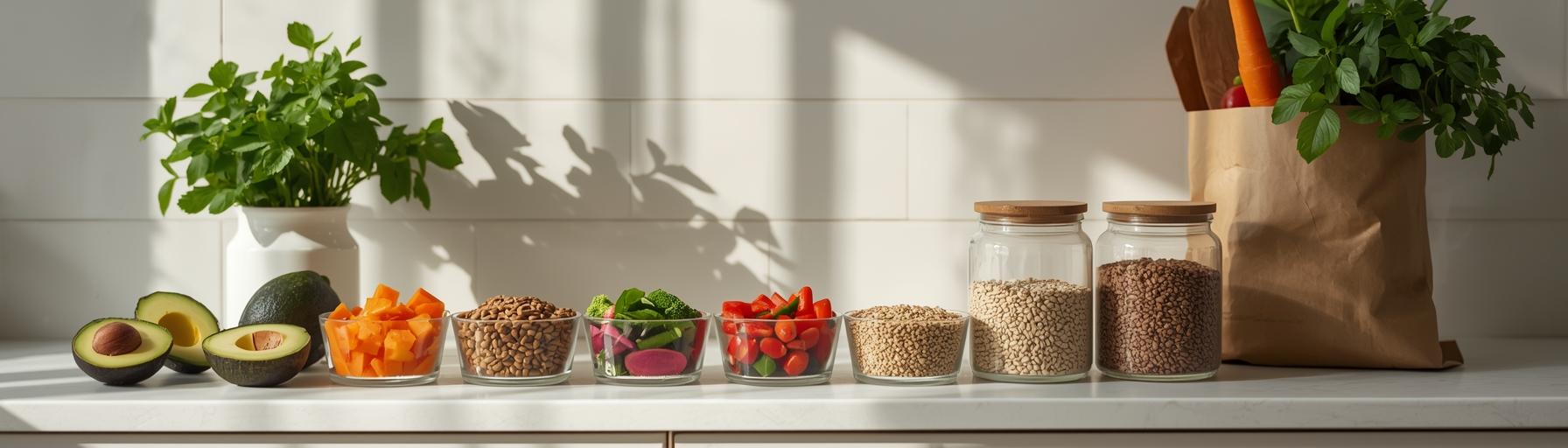
A pragmatic pantry blends raw living staples with a few cooked shelf-stable essentials. In Victoria, prioritize seasonal greens, brassicas, and berries from Moss Street Market (active Saturdays, May–October) and the Victoria Public Market, and source dry goods from local co-ops and bulk stores to reduce packaging.
Cafe Bliss emphasizes live juices and superfood smoothies that pair well with these staples and can serve as meal-prep anchors on busy days.
Tools, Batch Techniques, and Storage
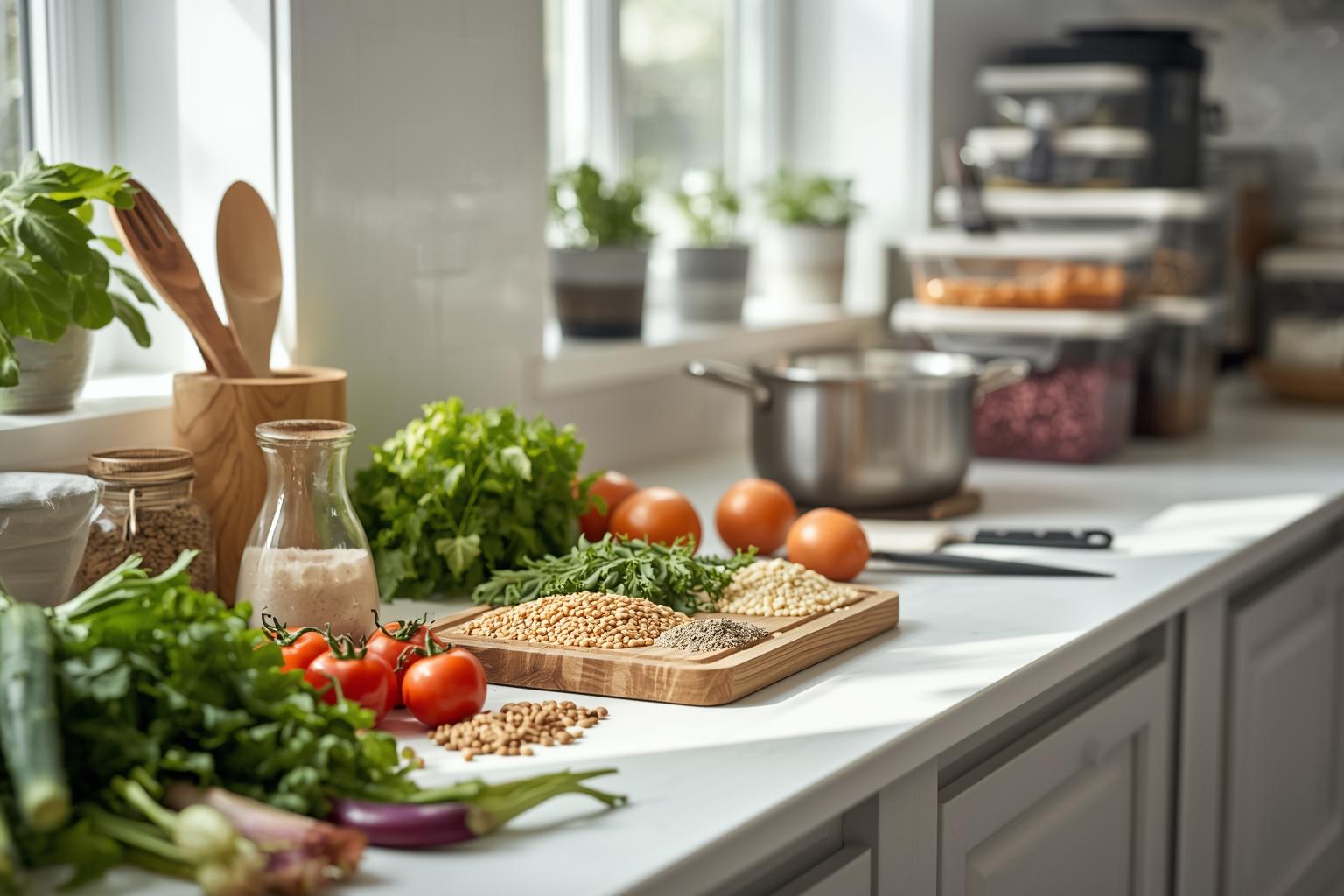
A compact set of appliances speeds prep: a high-speed blender for smoothies and nut butters, a vertical juicer for green juices, a food processor for sauces and raw desserts, and a fine dehydrator for crackers and fruit leathers. Invest in stackable glass containers in multiple sizes and a vacuum-seal option if freezing large batches.
Efficient workflow starts with mise en place: wash and dry greens, roast or cook bulk grains once, sprout legumes over 2–4 days, and prepare dressings and fermented condiments ahead. Cooked staples like quinoa or steel-cut oats keep 4–5 days refrigerated; sprouts and salads are best consumed within 3–4 days. When freezing, portion into meal-sized servings and cool completely before sealing.
Follow food-safety basics: keep raw and cooked items separate, maintain fridge at or below 4°C, and use a thermometer for reheated dishes. Spoilage signs include off-odors, sliminess on greens, or visible mold; discard affected components promptly.
Meal Templates, Nutrition, and Customization
Breakfast templates center on nutrient-dense smoothies and juices that combine leafy greens, a fruit, a fat (avocado or nut butter), and a protein booster such as hemp or pea protein. Lunches pair hearty bowls: base of greens or grains, protein from tempeh, beans, or sprouted legumes, and a tangy fermented dressing. Dinners can be one-bowl roasted vegetable and grain plates or composed raw entrees with dehydrated crackers.
Protein targets vary by goal: aim for 20–30 grams per main meal for muscle maintenance and satiety, using combinations like tempeh plus seeds, or lentils with quinoa. Monitor iron and B12 by including fortified plant milks and nutritional yeast; consider a B12 supplement if fully plant-based. Include omega-3 sources such as ground flax, chia, or algal DHA.
For dietary restrictions, swap soy tempeh with marinated jackfruit or roasted chickpeas, replace gluten grains with buckwheat or millet, and use seed-based spreads in nut-free kitchens.
Weekly Routines, Flavor, Sustainability, and Support
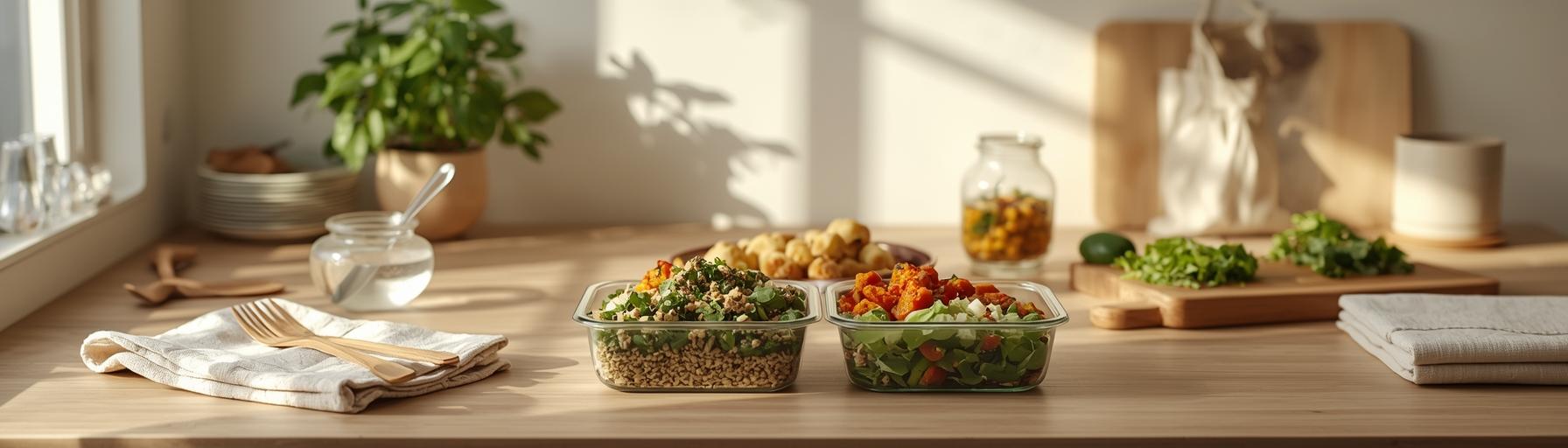
A 1–2 hour weekend prep session can wash and chop vegetables, cook grains, sprout legumes, and prepare three dressings. Micro-prep on weekdays includes building bowls and refreshing salads with citrus and fresh herbs. Prevent boredom by rotating themes—Mediterranean, Southeast Asian, and West Coast—using spice blends, acids, and umami boosters like miso or tamari.
Adopt zero-waste habits: buy bulk, bring reusable produce bags, compost scraps, and transform stems into broths or pesto. Cafe Bliss supports newcomers with ready-made juices, nut-based desserts, and workshops on sprouting and fermentation; attending local events at the cafe or sampling their raw lunch specials provides practical inspiration.
A simple troubleshooting approach solves common problems: revitalize wilted greens with an ice-water soak, press excess moisture from stored salads before dressing, and repurpose softer fruits into smoothies. For limited fridge space, stagger prep days and freeze portions in flat pouches.
Beginner planning tools include a concise shopping checklist focused on seasonal produce and staples, a two-hour prep timeline that prioritizes washing, bulk cooking, and dressing preparation, and daily templates for breakfasts, lunches, and snacks. With local sourcing from Victoria markets and the hands-on support of Cafe Bliss, building a sustainable plant-based meal-prep habit is both achievable and life enhancing.
Café Bliss is located at 556 Pandora Ave. Victoria B.C.
We are open from 11:00am to 6:00pm daily
Pressed for time? Call in your order at (250) 590-5733